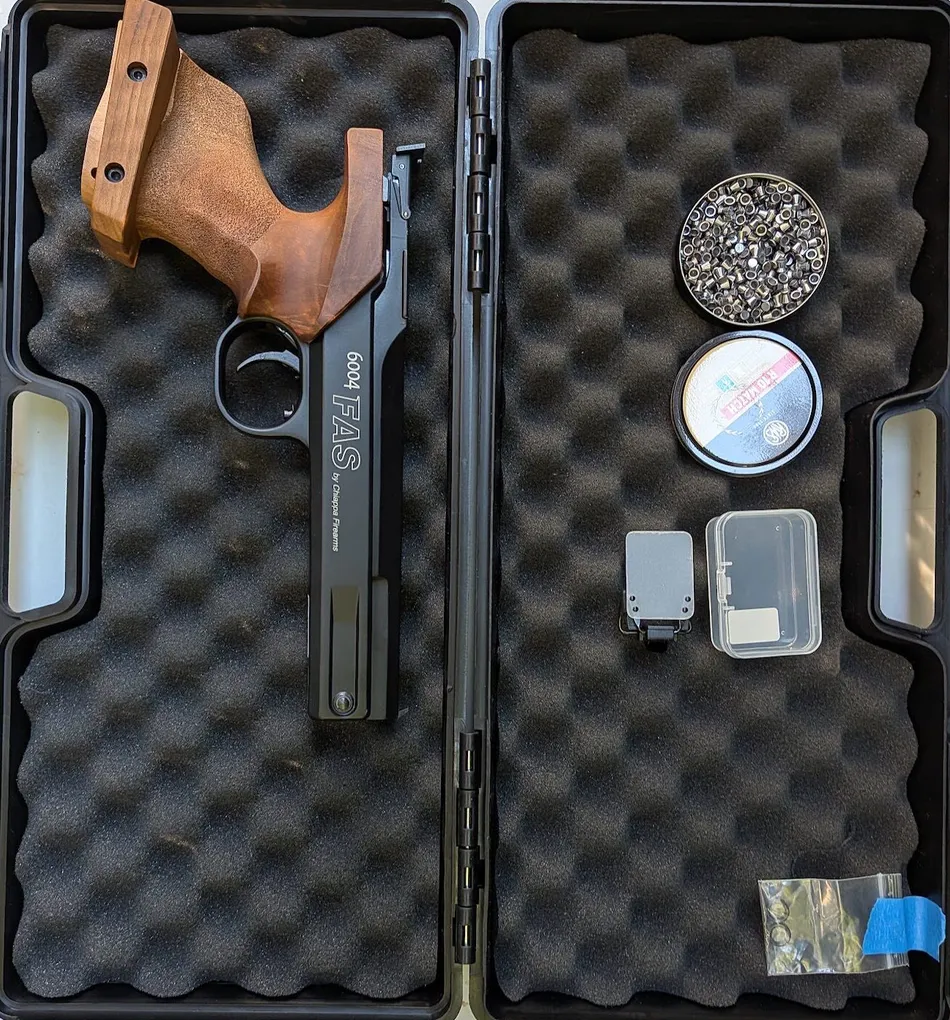
FAS 6004 O-Rings Sizes, Replacements and Breech Seal Wear
In my first FAS 6004 review, I wrote about the design, shooting experience, and chronograph results. This time, I want to share the maintainence story every airgun owner will eventuall face: the seals.
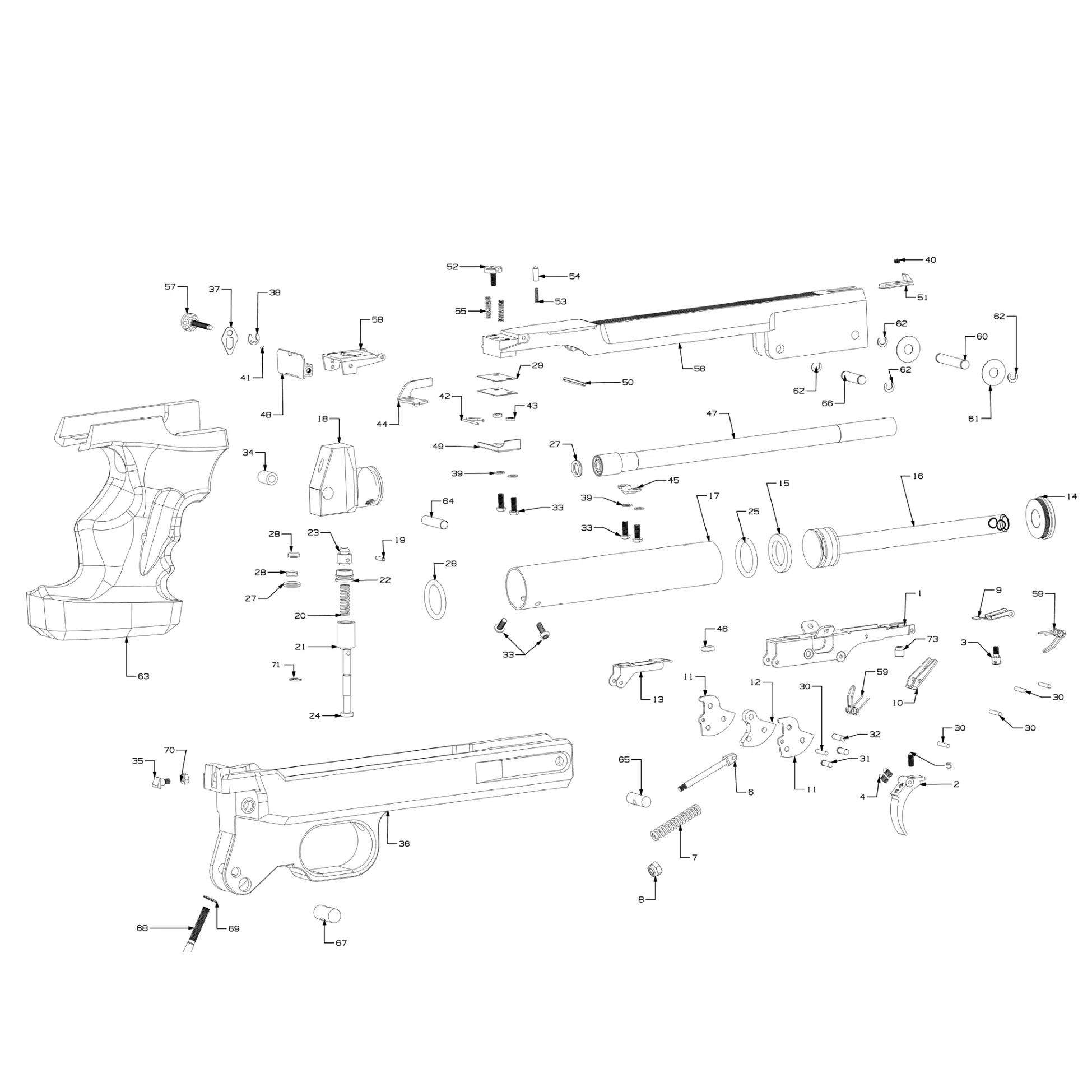
O-rings are wear items, and it makes sense to plan for replacements over the life of the pistol. The one that has needed my attention so far is the breech O-ring, reference #27 in the exploded diagram. On my pistol, its lower edge wore more quickly than I expected. Finding the correct size was only part of the story; the surface it touched during closure mattered too.
The Breech Seal on My Pistol
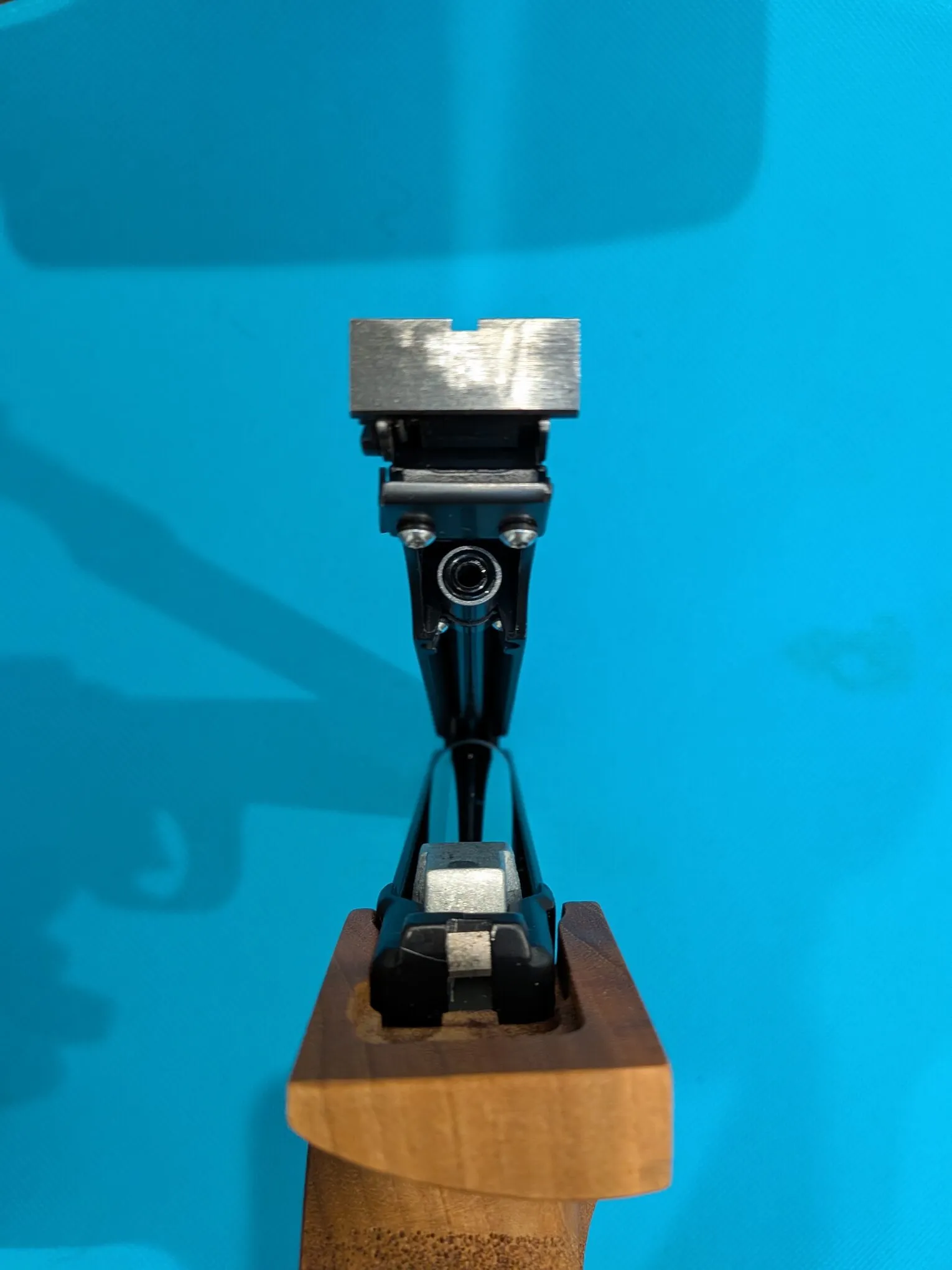
The breech O-ring sits at the rear end of the barrel. When the upper assembly closes, it meets the face of the valve body, #18, around the air outlet. The open-pistol photo below shows the two surfaces facing each other.
I noticed wear concentrated on the lower portion of the O-ring. Watching how the parts came together, it appeared that this portion could touch the relatively sharp edge of the valve-body opening before the upper assembly was fully closed. That slight contact seemed to explain the localized wear I was seeing.
Despite the visible wear on its lower portion, the #27 breech O-ring still works. I have continued using the pistol for more than three months since first noticing the wear, with no observed drop in FPS over that period. On my pistol, the visible wear has not been accompanied by a loss of velocity.
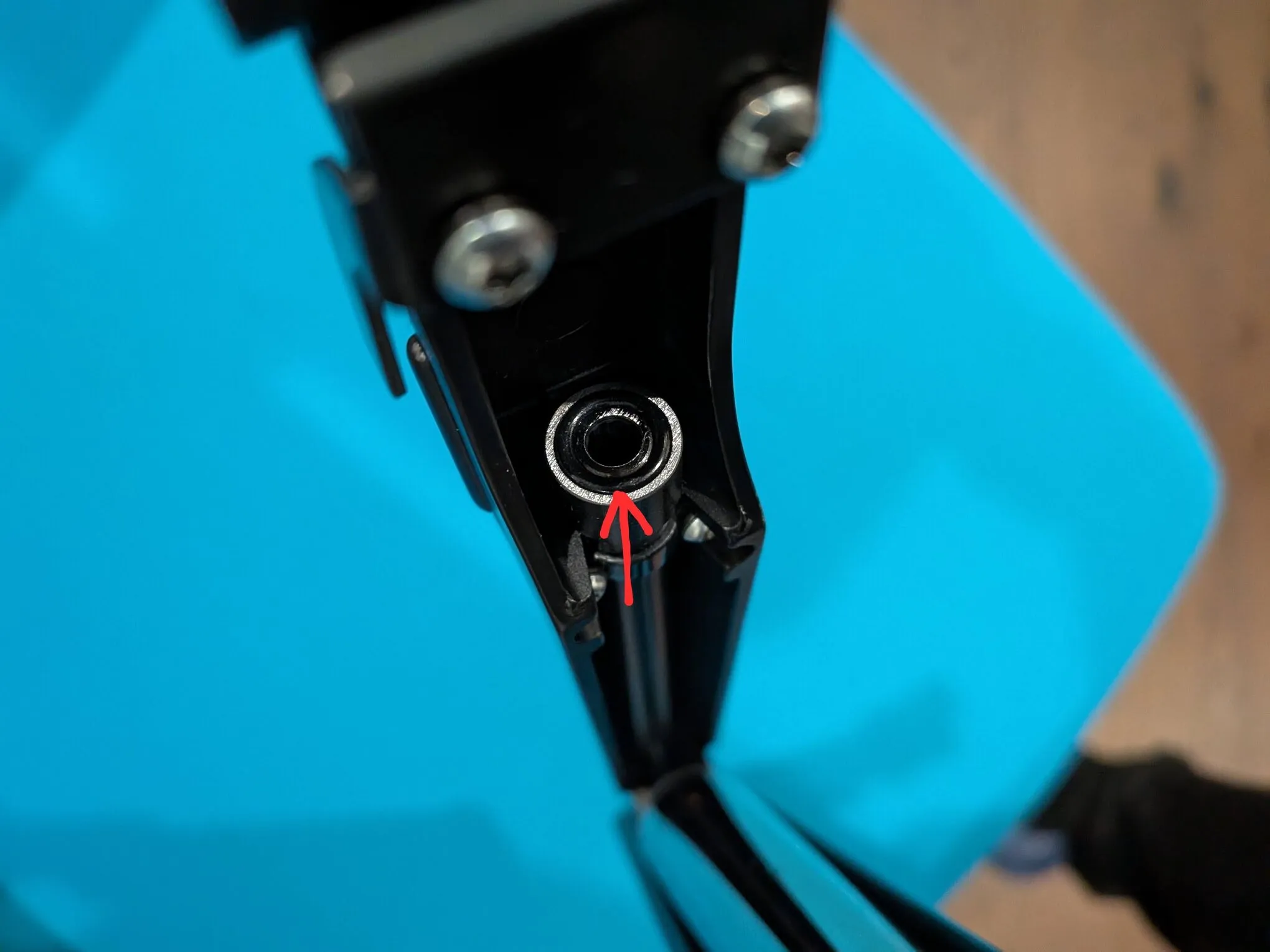
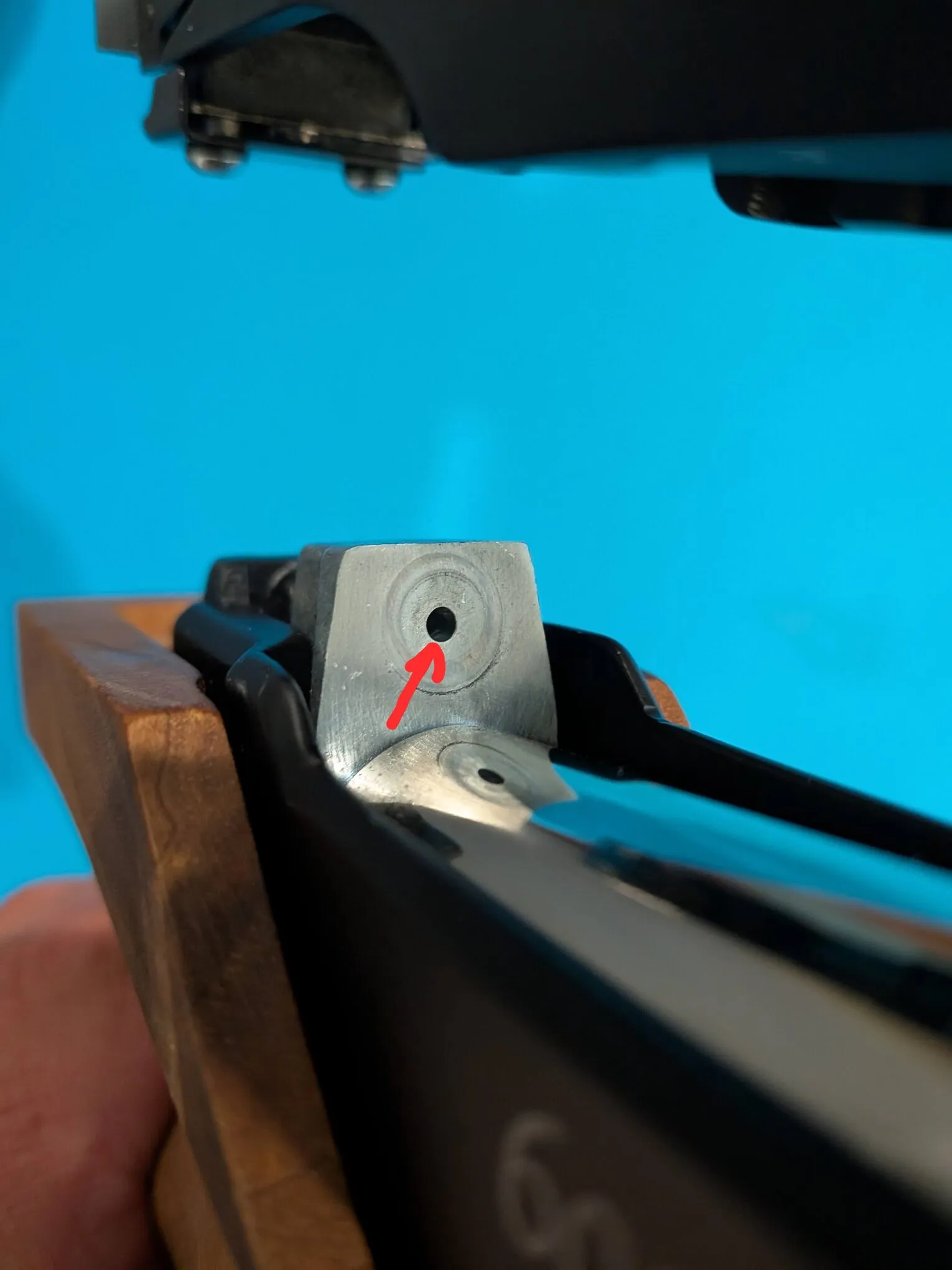
- Left: the lower part of the breech seal where I noticed wear.
- Right: the edge of the valve-body opening that appeared to contact it during closure.
Polishing that edge helped reduce the wear on my pistol. But if you are not comfortable do the job yourself, have a qualified airgun technician assess and repair it. The Chiappa manual directs repairs to professional gunsmiths. Any inspection should begin with the pistol unloaded and unpressurized.
The Replacement I Bought
The manual lists #27 as 6.75 mm inside diameter × 1.78 mm cross-section, under part code 160.033. I bought replacements from The O-Ring Store: N1.78X006.75, Buna-N/NBR, 70 durometer, BS610.
There is a related discussion in slofyr’s “Improve the FAS 6004” post on TargetTalk, dated October 10, 2016. The author considered the standard breech O-ring too small and described an alternative seal with a broader contact surface. I also tried this one. However it was too large to install in my 6004. Although the numbers look close, it is a thicker ring as well as having a slightly larger inside diameter. I would not treat it as a direct substitute for the manual’s size.
For my pistol, the useful lesson was to pay attention to the contact that was damaging the seal, rather than assume a larger ring would solve the problem.
Matching the O-Rings to the Exploded Diagram
The manual’s parts list on page 8 identifies four O-ring references: #25, #26, #27, and #28. The exploded view uses #27 in two places—at the breech and in the valve assembly—and shows two #28 rings. Taken together, the drawing shows six O-rings across those four references.
Match the reference numbers in the opening diagram to the table below. The manual’s page 9 also provides a zoomable exploded view.
All dimensions below are inside diameter × cross-section, in millimeters. The locations and quantities follow the exploded drawing. The shopping links are specification-based candidates; I have not tested the internal-seal replacements listed here.
| Reference and location | Manual specification | Replacement listing |
|---|---|---|
| #25 — piston seal; 1 shown | 160.031; O-ring 3068; 17.13 × 2.62; Viton | The O-Ring Store V75115: AS568-115, FKM, 75 durometer; seller lists 17.12 × 2.62. Untested candidate. |
| #26 — cylinder-to-valve-body seal; 1 shown | 160.014; 17.13 × 2.62 (printed as “OR 2.62X17.13”); material not stated | The O-Ring Store B70115: AS568-115, Buna-N/NBR, 70 durometer; seller lists 17.12 × 2.62. Untested size candidate. |
| #27 — breech and valve assembly; 2 shown | 160.033; O-ring 106; 6.75 × 1.78; material not stated | The O-Ring Store N1.78X006.75: 6.75 × 1.78, Buna-N/NBR, 70 durometer, BS610. Bought for the breech; untested in the valve. |
| #28 — small valve seals; 2 shown | 160.034; O-ring 2015; 3.69 × 1.78; material not stated | The O-Ring Store B70007: AS568-007, Buna-N/NBR, 70 durometer; seller lists 3.68 × 1.78. Untested size candidate. |
There are two details worth checking before ordering. First, the seller lists the AS568-115 and AS568-007 inside diameters 0.01 mm below the manual’s figures. I have kept both values visible instead of presenting them as identical specifications. Second, the manual specifies Viton only for #25 and does not give hardness ratings for any of these rings. A dimensional match alone does not verify a replacement’s material or suitability. Confirm the compound and hardness with Chiappa or a qualified service technician before ordering internal seals.
The manual’s names “106,” “2015,” and “3068” also should not be assumed to be AS568 dash numbers. In particular, searching for AS568-106 would not identify the 6.75 × 1.78 mm breech ring. Use the dimensions and material requirements alongside the part code.
For an alternative to buying individual sizes, Bagnall and Kirkwood’s FAS 6004 parts page lists a model-specific O-ring kit. Confirm its contents and suitability for your pistol with the seller. Product specifications, minimum order quantities, and availability should be checked when ordering; the links above were reviewed on September 29, 2026.
What I Will Keep Watching
The breech seal is the one I will be checking most closely because of the wear I have already seen. I would keep spares in the manual’s size and pay attention to recurring damage in the same area. I would not put every seal on a fixed replacement schedule based on this experience alone.
The internal O-rings may need attention as the pistol ages, but the table is a reference for sourcing and discussing service, rather than a reason to dismantle a working pistol. For routine care, I would start with the manual’s cleaning and lubrication guidance on pages 6–7.
I still enjoy shooting this little pistol. Understanding why its breech seal was wearing has simply become part of getting to know it better.
Sources
- Chiappa FAS AP6004 instruction manual: parts list on page 8 and exploded view on page 9; these pages carry a September 2014 footer.
- TargetTalk: “Improve the FAS 6004,” opening post by slofyr: related owner discussion of breech-seal contact, not confirmation of the JIS P7 ring’s fit.
- The O-Ring Store product listings linked beside each size above: seller dimensions, materials, hardness ratings, and model numbers.
- Bagnall and Kirkwood: Chiappa FAS 6004 parts: model-specific seal-kit listing.